Wool comforters offer natural insulation and breathability, making them a versatile choice for year-round sleeping comfort. By leveraging the moisture-wicking properties of wool, these comforters help regulate temperature and reduce overheating, supporting a restful night. This category highlights how wool fibers respond to humidity and body heat for consistent warmth.
Key features often include temperature regulation, durability, and hypoallergenic potential. Wool fibers trap air to provide insulation without bulk, while their natural elasticity helps maintain loft. For households seeking durable bedding, wool comforters can resist compression over time and maintain an even distribute of warmth across the surface.
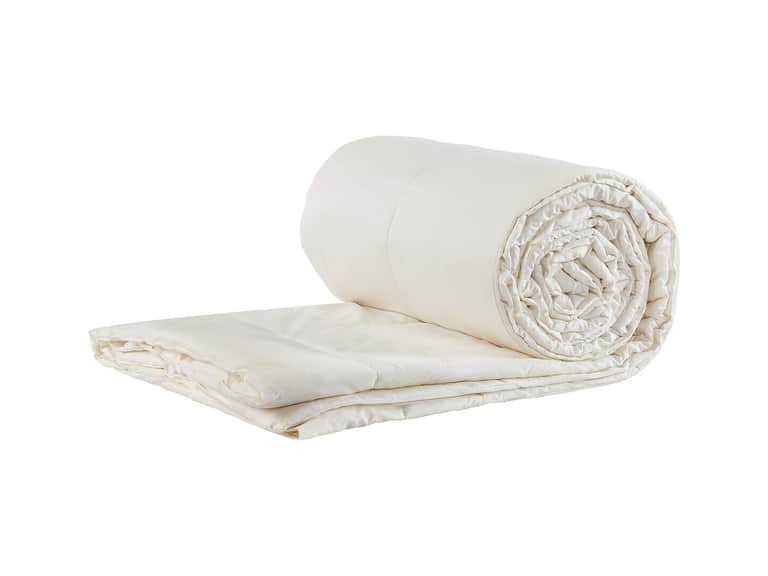
Within this category, the Sleep and Beyond myComforter exemplifies how wool can be integrated into modern bedding. It emphasizes core advantages such as thermal adaptability, gentle loft, and resilience to wear. Users can expect a comfortable sleep surface that remains balanced across varying seasonal conditions and sleep preferences.
Important considerations for choosing wool comforters include fill weight, wool type, and fill power. Lightweight options suit warmer climates or seasons, while heavier fills provide substantial warmth for cold months. Understanding these specifications helps align a comforter with personal sleep needs, bedding layering strategies, and room temperature.
In addition to comfort and temperature control, wool bedding aligns with sustainability and natural fiber education. Wool inherently resists odors, dries quickly, and can be combined with breathable covers to enhance overall sleep quality. Education about these properties supports informed decisions on bedding materials such as bedding, pillows, sheets, and nursery textiles.
 Bedding